From Side Hustle to Catering Empire: The 5 Stages of Growth

It all started with a banana costume.
Halloween 2022. Justin and his wife were boarding a Frontier flight to Nashville. Their bags were too big. The airline wanted $99 to check them.
So they put on their giant banana costumes and wore them onto the plane.
Later that day, Justin and Zach took a walk to a liquor store along a Nashville highway (with no sidewalk, naturally). And on that walk, Flashquotes was born.
But this episode isn’t really about banana costumes or Nashville liquor runs.
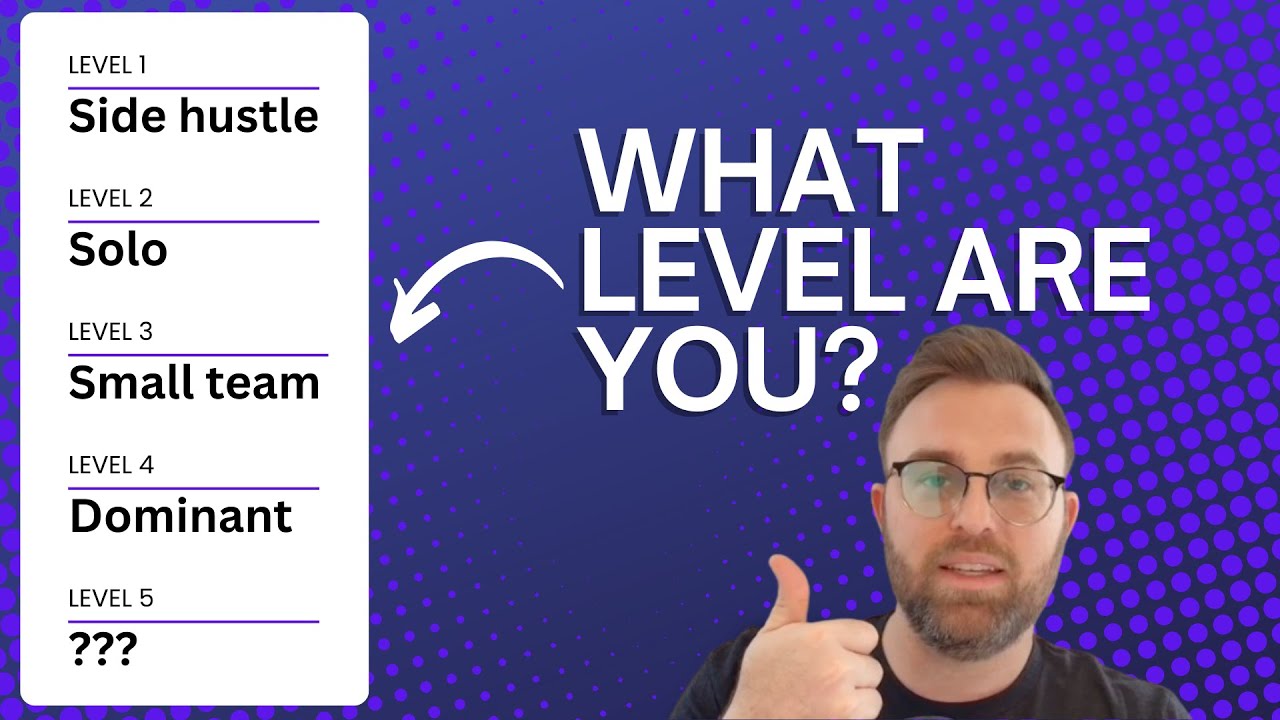
It’s about the five stages every coffee caterer goes through on their way from side hustle to multi-city empire.
The Five Stages Framework
Justin Goodhart has built Goodhart Coffee into one of the largest coffee catering companies in America—44 carts, 3,000 events in 2024, operating in five cities.
He didn’t get there overnight. And in this inaugural episode of The Flashquotes Podcast, he breaks down the exact stages he went through—and the specific bottlenecks at each stage that prevent most caterers from reaching the next level.
Level 1: Side Hustle (Under 50 events/year, ~$80-100K revenue)
You’ve got your cart. You’ve got your equipment. You’ve even got a website.
The problem: Your website is probably terrible. You don’t follow up with leads properly. You might not even list what city you serve.
The solution:
Call, text, and email every prospect 6-10 times over 2-3 weeks. Respond within an hour.
“Speed is everything. The difference between 15 minutes and 60 minutes is dramatic for booking rates.”
Your competitive advantage at this stage? You can care more than bigger competitors.
When you’re getting 5 leads a month, you can treat each one like gold. Do that, and your booking rate should hit 30-40% (industry average is 15-20%).
Level 2: Going Full-Time (100-150 events/year, ~$100-200K revenue)
You quit your day job. You’re all in.
The problem: Your success is now creating your downfall. You’re serving so many events that you can’t follow up with new leads as fast. You’re doing everything yourself and burning out.
The solution:
Start delegating service. Justin’s progression:
- Baristas handle service, you do setup/breakdown
- Baristas handle service AND breakdown
- Baristas handle the entire event
“If you can’t take a two-week vacation to Europe, you don’t have a business—you have a job.”
This is where software becomes critical. Automated timeline calculations, event briefs for baristas, and systems to manage operations remotely.
Level 3: Scaling with a Team (200-400 events/year, $200-400K revenue)
You’ve got multiple carts, some admin help, and a small team. You’re making a good living.
The problem: The decisions you make here will determine if you can ever reach Level 4 and 5.
The critical question: Can small people lift, push, and transport every single piece of your equipment?
If not, your barista pool just got extremely limited.
Justin made this mistake early—heavy espresso machines, bulky cart setups, and worst of all: trailers.
“What’s the Venn diagram of amazing baristas who know how to hook up a trailer, back up a trailer, drive with one safely, AND have a car that can tow it? That’s just you.”
The solution:
- Redesign your equipment to be portable (under 30-40 lbs per piece)
- Get a dedicated warehouse where carts are cleaned, restocked, and ready to roll 24/7
- Never use trailers for contracted catering
- Develop a systematic hiring process (Indeed → filtering questions → interviews → training)
This is where most caterers get stuck. But if you choose the right equipment and systems, you can break through.
Level 4: Market Domination (400-800 events/year, $400K-$1M revenue)
You’re the biggest fish in your city. You’ve got 6-10 carts, dedicated sales and operations people, and from the outside, your business looks flawless.
The problem: Key person risk. If your rockstar operations manager leaves, you’re in huge trouble.
The solution:
Cultivate talent from below. Promote baristas into admin and operations roles. Start managing remotely more often—if you want to go multi-city, you need to be able to run operations without physically being there.
Build a video library of every process. Document everything.
Level 5: Multi-City (800+ events/year, $1M+ revenue)
Full operations and warehouses in two or more cities. You’re managing teams remotely. You’ve hit multi-seven-figures.
Justin’s story: When he opened San Francisco, he was flying out once a month to do maintenance. One afternoon, a water pump burned out. No backups locally. Events booked the next day.
He threw the pump in his backpack, bought a flight, and was at the airport within an hour.
Hard-won lesson: Document everything in Level 4. Test new markets carefully. Build systems that work remotely.
The Path Forward
Five years ago, Justin didn’t think Level 5 was possible for coffee caterers.
Today, he’s proven it is. And he’s helping other caterers get there through Flashquotes—software built specifically for the unique challenges of event catering.
Whether you’re at Level 1 with your first cart or Level 3 trying to break through, the path is clearer now.
You just need to know which stage you’re in—and what bottleneck you need to solve next.
Resources Mentioned
- Flashquotes Demo — Book a demo to see how Flashquotes helps coffee caterers scale
- The E-Myth Book — Classic business book about working ON your business, not IN it
Key Takeaways from This Episode
Level 1: Master lead follow-up
Call, text, and email prospects 6-10 times over 2-3 weeks. Speed matters—respond within an hour. Your competitive advantage is caring more than bigger competitors.
Level 2: Delegate service first
Start by having baristas handle service while you do setup/breakdown. Then let them handle breakdown. Finally, step away completely. Build systems to manage remotely.
Level 3: Equipment determines scalability
Can small people lift every piece of equipment? If not, your barista pool is limited. Avoid trailers for contracted catering. Choose robust, portable equipment.
Level 4: Cultivate talent from below
Promote baristas into operations roles. Build video libraries of processes. Prepare for remote management before expanding to multiple cities.
Level 5: Multi-city operations
You need full warehouses and efficient systems in each city. Test markets before committing. Document everything. The industry is growing—multi-city is now possible.